Dryness and discomfort during sex: what helps
Dryness is common and there are simple things that help. Lube, more warm-up time, kinder skincare and when to see a GP.


If sex feels dry, sore or just not comfortable, you’re far from alone. The NHS describes vaginal dryness as a common problem that many women have at some point in their lives, and says there are things that can help.
Discomfort is a signal to slow down, not something to push through.
The short version
- Use a water-based lube, generously.
- Give arousal more time: more foreplay, less rush.
- Skip perfumed washes, and see a GP if it doesn’t settle.
What actually helps
Lube isn’t a last resort
The NHS suggests water-based lubricants before sex: in and around your vagina, on your partner’s penis or fingers, or on a sex toy. Water-based lube is safe with condoms and every toy material.
Slow down and warm up
The NHS lists not being aroused during sex as one cause of dryness and suggests trying different types of foreplay. Take longer before penetration, or skip it for a night.
Be kind to sensitive skin
The NHS advises against perfumed soaps, washes and douches around the vagina, and against creams or moisturisers not made for it. It also mentions vaginal moisturisers for everyday comfort, most of which you can get without a prescription.
Know the common causes
The NHS lists menopause, pregnancy and breastfeeding, some medicines (including hormonal contraceptives and antidepressants) and cancer treatments among the causes. If any apply, a GP can discuss options.
Pain is worth checking
If penetration hurts, stop and talk to a GP. One possible cause is vaginismus, which the NHS describes as the vagina suddenly tightening up when you try to insert something. It is an automatic reaction, not something you’re doing wrong.
Products that can genuinely help
Lube is the hero here. Choose a water-based formula, and go unscented if your skin is sensitive.
We may earn commission from links on this page.
So Divine Water-based Lubricant (100ml)
Why it can help: Water-based glide that’s safe with condoms and toys: the NHS-suggested type of lubricant.
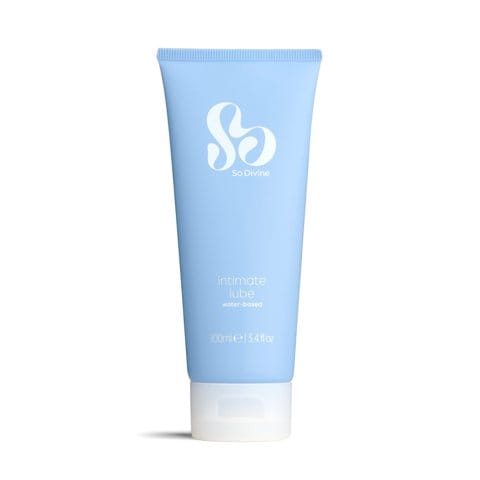
Everyday essential What it’s for: Extra glide for comfort; safe with all toys and condoms.
- Price
- £ £7.99
- Retailer
- So Divine
- Water-based, vegan-friendly and non-sticky (per the listing)
- Safe with sex toys and latex condoms (per the listing)
So Divine Water-based Lubricant (250ml)
Why it can help: The same formula in a bigger bottle, if lube is part of every time.
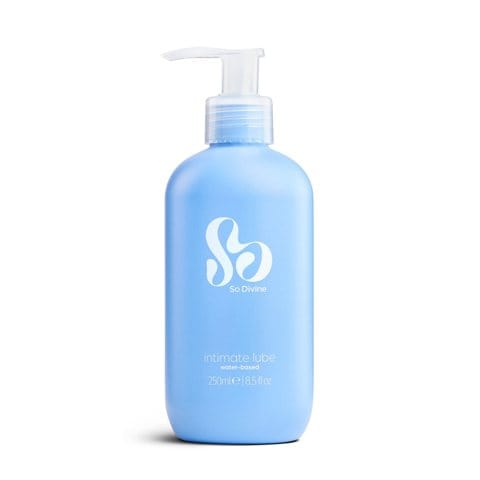
Everyday essential What it’s for: Extra glide for comfort; safe with all toys and condoms.
- Price
- £ £12.99
- Retailer
- So Divine
- The bigger bottle of the same water-based formula
- Safe with sex toys and latex condoms (per the listing)
So Divine Self-pleasure 2in1 Rechargeable Finger & Bullet Vibrator
Why it can help: More warm-up time is part of the answer; this makes foreplay easy to extend.
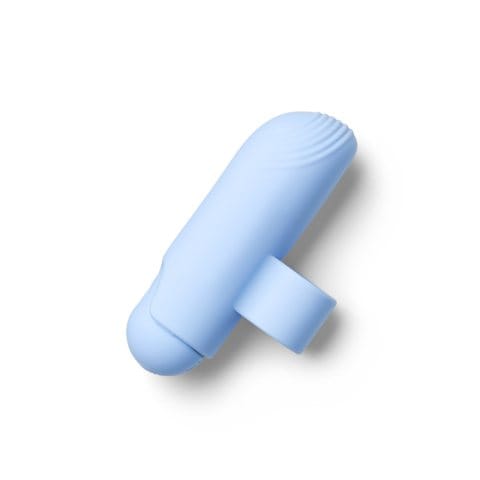
For couples What it’s for: Slips over a finger to add precise buzz during partnered play.
- Price
- £ £22.49 (was £29.99) · Price checked 11 Oct 2026
- Retailer
- So Divine
- Fits over a finger
- Removable bullet, 10 functions
- For external play, solo or with a partner
Also on our shortlists
- YES WB Organic Water-Based Lubricant: for sensitive skin: organic, water-based, pH-matched (per the listing; Lube & aftercare guide)
- Lovehoney Enjoy Water-Based Lubricant: everyday, condom-safe glide (Lube & aftercare guide)
Questions people ask
Is needing lube a sign something’s wrong?
No. Lots of people use lube every time. The NHS lists water-based lubricants before sex among the things you can try yourself for vaginal dryness.
Which lube is best for dryness?
Water-based is the easy all-rounder: safe with condoms and every toy material. If your skin is sensitive, choose an unscented formula and patch-test first.
When should I see a GP about dryness?
The NHS says to see a GP if you’ve had dryness for a few weeks and self-care isn’t working, if it’s affecting daily life, if you have unusual discharge, or if you have bleeding after sex, between periods or after the menopause.
When to see your GP or a sexual health clinic
- You’ve had dryness for a few weeks and the things you’ve tried aren’t working (NHS advice).
- It’s affecting your daily life, or you have unusual discharge (NHS advice).
- You have bleeding after sex, between periods or after the menopause (NHS advice).
- Penetration is painful, or you think you might have vaginismus.
Trusted help: NHS: Vaginal dryness · NHS: Vaginismus · NHS: Menopause and perimenopause · NHS: Find a sexual health clinic
This guide is general information, not medical advice. A GP can discuss options with you.
Keep reading
Lube & aftercare · Couples extras · Healthy sexual relationships
More from Fix it
Reaching orgasm · Low desire & lost spark · All Fix it guides
Words in this guide
Water-based lube · Silicone-based lube · Oil-based lube · Hybrid lube · Body-safe · A–Z glossary